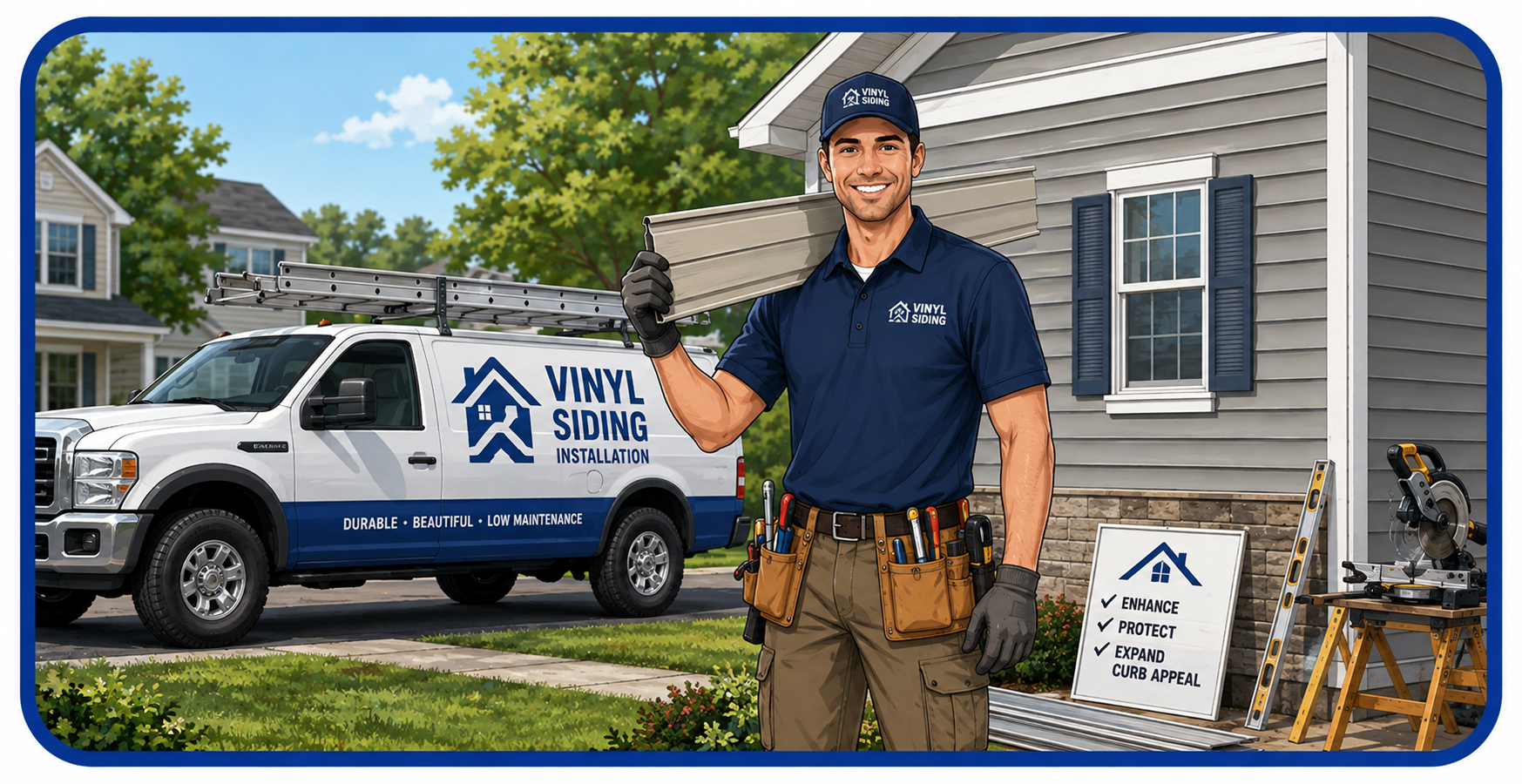
Creative Siding runs trained Siding Inspection crews for homes and businesses in Stone Mountain, GA. We measure the job before we price it — not after.
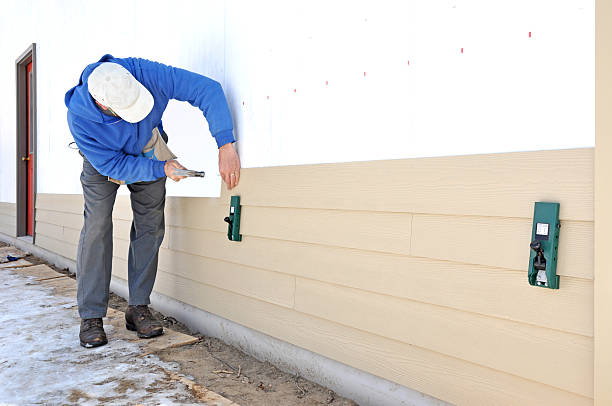
Creative Siding isn't a national brand slapping a local name on a rented van. If something needs a follow-up call in year three, you're calling the same business, not chasing down a franchise office.
We started as a small crew doing repair work and grew because the repairs held up, not because a franchise fee bought us a territory.
New crew members don't touch a customer's exterior alone until they've proven it on smaller jobs first. This is where most of the corner-cutting in this industry actually happens, and we don't do it.
Either way, the estimate process and the install standard stay the same — we don't cut corners because the job came in as an emergency. We'll tell you honestly when a full tear-off isn't necessary, even if it costs us the bigger invoice.
We're rarely the cheapest quote on the table, and we won't pretend otherwise — we're the crew that shows up when we say we will and doesn't leave a mess behind. Every crew lead has the authority to stop and flag a problem instead of pushing through just to hit a schedule, and that's intentional, not accidental.
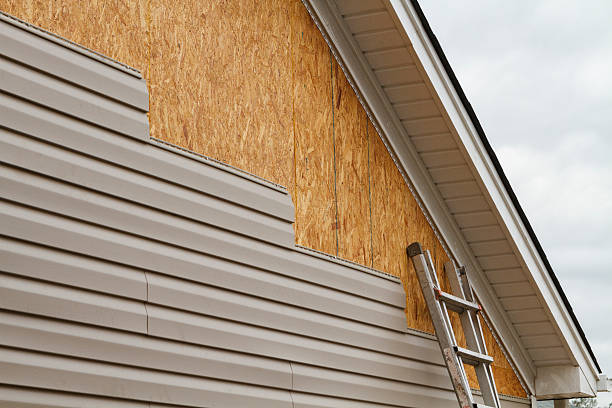
Most siding damage doesn't announce itself right away — it shows up as small clues first.
Four categories cover almost everything that walks through the phone line.
A wind-lifted panel flapping before the next storm, a branch through the wall, water already tracking behind the siding — this doesn't wait for next week. We seal and board exposed sections the same day, then schedule the permanent fix around your timeline.
The reason emergency response matters so much with siding specifically is that the damage compounds fast — what starts as a single panel becomes a section of rotted framing if it's ignored through one more rainstorm.
We measure and photograph the actual property, not a satellite image, before quoting anything. We'll tell you honestly whether vinyl, fiber cement, or engineered wood fits your budget and climate.
Either way, you'll get a specific start date, not a vague "sometime next month" that keeps shifting.
Multi-unit buildings get phased scheduling so occupied units aren't disrupted. You get a direct point of contact, not a rotating cast of subcontractors answering different questions.
Commercial contracts also come with paperwork most homeowners never deal with — certificates of insurance, lien waivers, sometimes prevailing wage documentation depending on the property — and we handle that as part of the job, not as an extra line item.
Insulated vinyl does more than update the look of a house — the foam backing adds a real thermal layer that shows up on utility bills. Corner posts, J-channel, and detail work get priced into the same estimate, not tacked on as a surprise later.
We get calls for these more often than people expect, usually from homeowners who were told by another contractor that it "couldn't be matched".
If it's unclear whether you need a repair or a full replacement, call +1-844-782-0929 and we'll help you sort it out over the phone.
Not every home needs the most expensive option on the shelf, and we'd rather explain the real trade-offs than push whatever carries the highest margin. Ask us for lifespan numbers on any of these during your estimate — we'll pull them up on the spot.
Fiber cement, like James Hardie, tends to outperform vinyl in high-wind and high-moisture conditions, but it costs more upfront and takes longer to install. Climate exposure matters more than most homeowners realize — a house facing prevailing winds ages differently than one that's shaded and sheltered.
We'll pull the actual warranty document during your estimate instead of summarizing it from memory, because the details change between product lines and we'd rather you see it in writing.
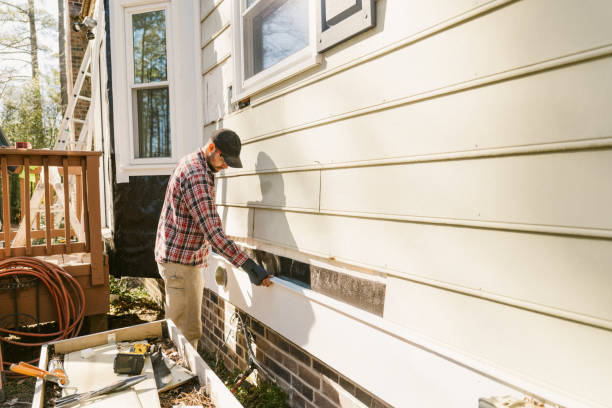
This is the stuff that only shows up after the contract is signed elsewhere.
Most of what separates a good siding job from a bad one doesn't show up on install day — it shows up eighteen months later when a warranty either holds up or doesn't, when a repair either lasts or fails again, when the company you called either still exists or has changed names twice.
| Category | With Creative Siding | Typical Contractor |
|---|---|---|
| Pricing | Written, itemized estimate before work starts | Verbal ballpark, line items added later |
| Licensing | Verified GA license, shown on request | "Trust me" — no documentation offered |
| Response Time | Estimates scheduled within 48 hours | Days of unreturned calls |
| Crew | Trained, background-checked, employed directly | Rotating day-labor subcontractors |
| Warranty | Manufacturer-backed, documented in writing | Verbal promise, hard to enforce |
| Cleanup | Daily debris removal, protected landscaping | Cleanup "at the end," if at all |
If a company won't put their pricing, licensing, or warranty terms in writing before you sign, that's worth asking about directly rather than assuming it'll work out.
"They told me my siding could be repaired instead of pushing a full replacement, which I wasn't expecting."
"Had a hole from a fallen branch sealed before the next round of rain hit."
"Managing a small apartment complex means dealing with contractors who go quiet mid-job — this crew didn't."
"Saved a significant amount of money by not being pushed into something we didn't need yet."
"Didn't realize how much air was escaping through the old panels until it was pointed out during the estimate."
"We'd put off replacing our siding for years because every quote felt like an upsell — this one didn't feel that way."
"Saved thousands compared to what we were braced to pay."
These are the ten questions that come up most often during estimate calls, answered the same way we'd answer them on the phone.
Emergency calls are typically seen the same day, especially if water is actively getting in.
Material and labor costs are broken out separately, not lumped together.
The goal on an emergency call is always stopping the damage before scheduling the full repair.
Vinyl tends to run more affordable, fiber cement costs more upfront but lasts longer.
Documentation is available before the job starts if you'd like to see it.
If an exact match isn't available, we'll say so before starting the repair, not after.
We've worked with most major carriers and know what documentation they typically need.
Most single-family homes are completed within a week, weather permitting.
Fiber cement generally holds up better against wind, moisture, and temperature swings, though it costs more upfront.
We'll coordinate a schedule that works around your availability.
We cover Stone Mountain and the towns nearby, not just the downtown core. Call +1-844-782-0929 to confirm coverage before scheduling anything.
We've worked on everything from brand-new construction to homes old enough that the original siding predates most manufacturer warranties still being written today.
No forms, no waiting on email — just call +1-844-782-0929.
Call +1-844-782-0929